Density is necessary, but it is not readiness
Twenty stores distributed across a large city may create more field effort than ten stores inside one serviceable cluster. Readiness begins with a clear catchment, a responsible distributor and retailers that can execute the same evidence standard.
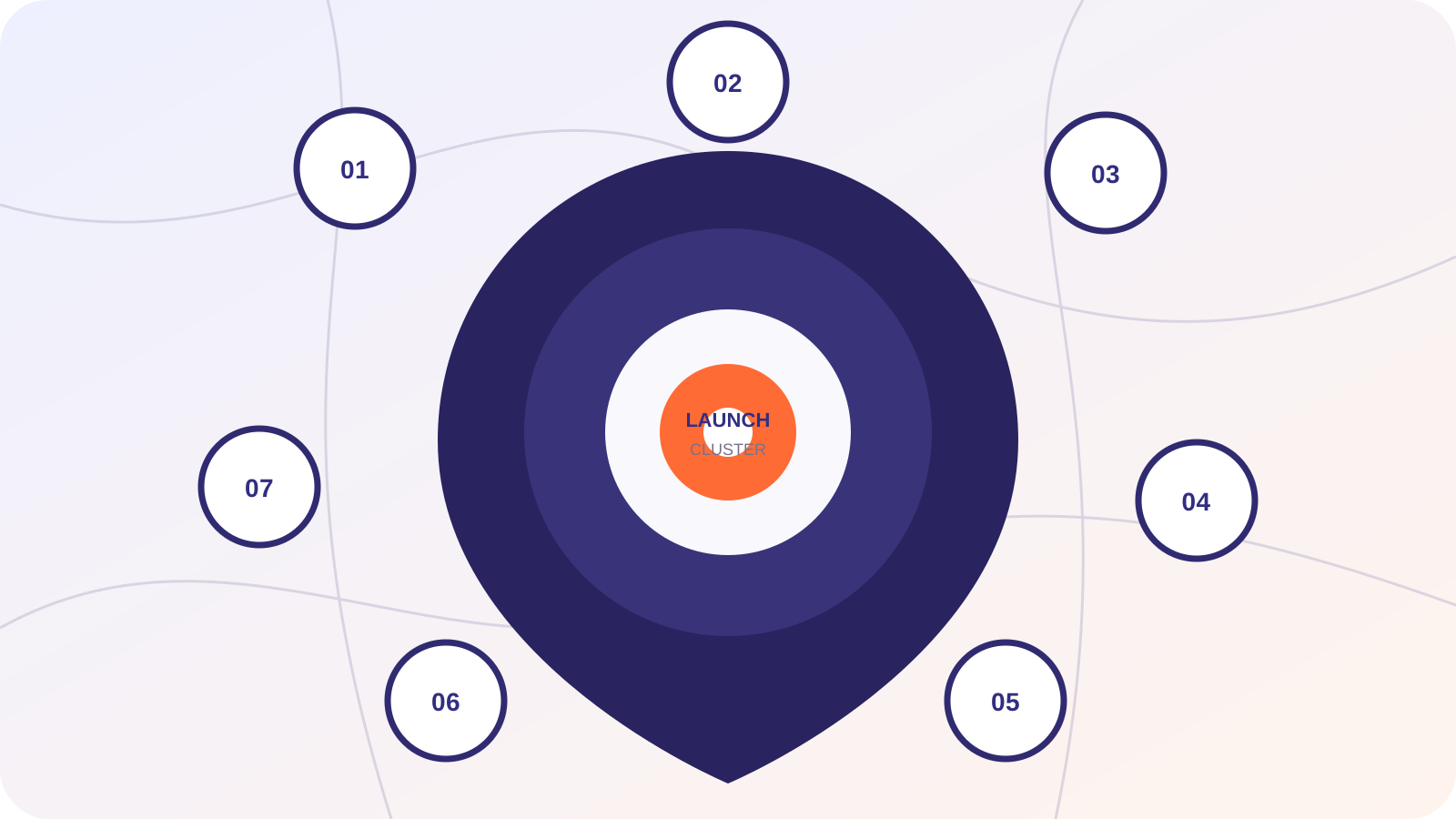
Use seven gates before opening demand
Treat each gate as a decision, not a decorative score. A failed critical gate should create an owner and corrective action before paid campaigns begin.
- Qualified brand demand with a defined category and window.
- Distributor coverage with named operating ownership.
- Enough verified retailers inside the target catchment.
- Documented stock, payment and evidence workflow.
- Field support capacity for exceptions and retailer assistance.
- Privacy, permissions and escalation policy understood locally.
- A credible path to positive contribution after direct service cost.
A scorecard should lead to an action
A readiness score is only useful if every amber or red indicator names the constraint. Leadership should be able to see whether the city needs more retailer supply, better distributor coverage, a field owner or a different commercial model.
Expand after reliability becomes visible
Add the next cluster when the first can fulfil, submit evidence and close exceptions without continuous founder intervention. That is the signal that the city playbook is becoming a system.