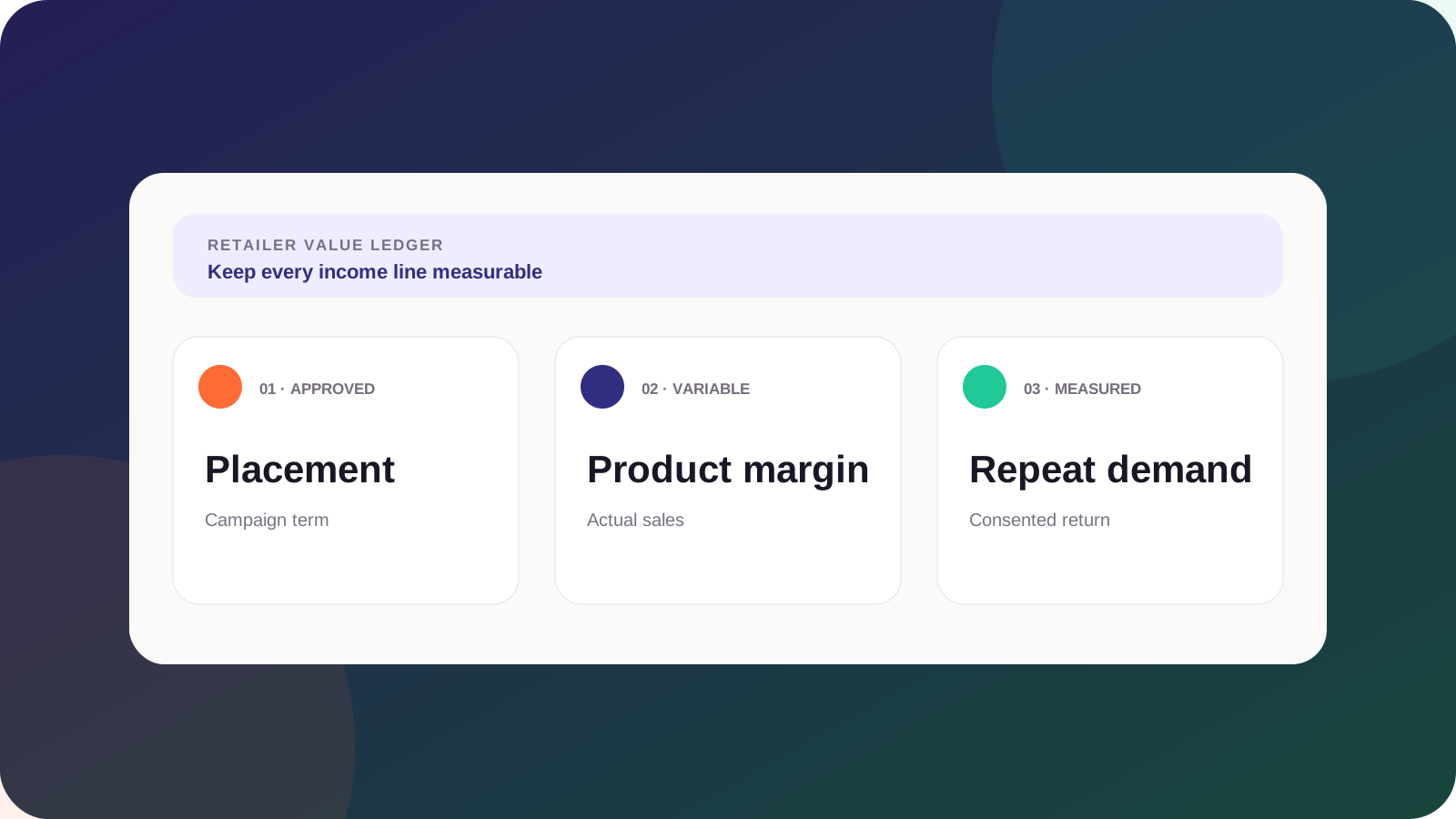

The real problem is the fragmented start
A brand brief may begin in a deck, move into a distributor call and become a collection of retailer messages. By the time stock is ready, the original success measure, approved stores and evidence requirement are already difficult to reconstruct.
The remedy is not another directory. The remedy is a record that survives every hand-off.
Six hand-offs worth designing deliberately
A controlled pilot connects the brief, coverage confirmation, store proposal, allocation, execution proof and reconciliation. Each stage needs an entry condition, an accountable actor and an output the next actor can trust.
- Brand: define geography, product, budget, timing and success measure.
- Distributor: confirm serviceable inventory and territory responsibility.
- Retailer: propose suitable space, quantity and commercial terms.
- Brand or authorised approver: accept the store cohort and payment milestone.
- Retailer and field team: submit scheduled shelf and stock evidence.
- Operations: resolve exceptions and close the financial and inventory record.
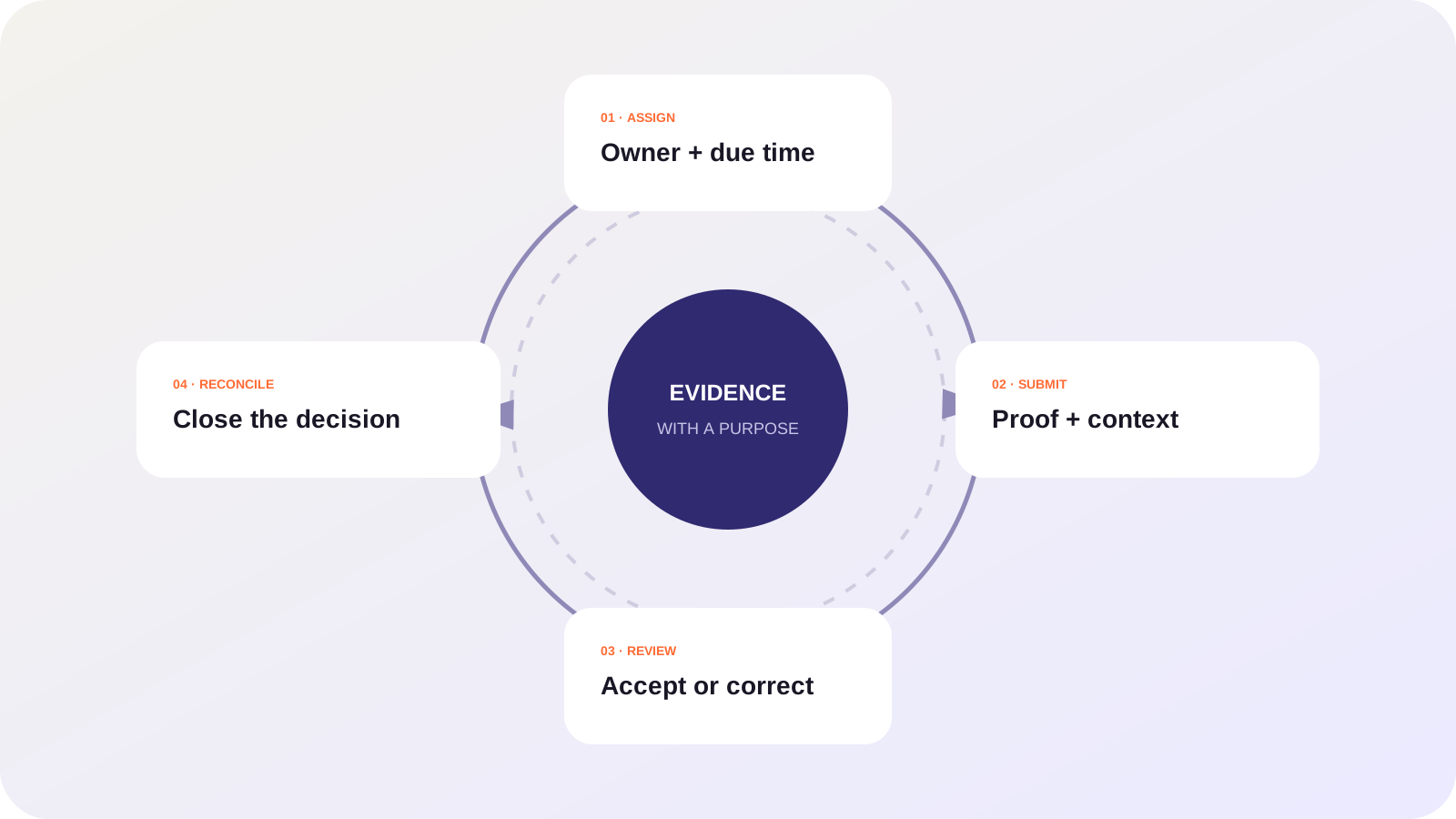
Measure completion quality, not account volume
Early-stage marketplaces are tempted to celebrate sign-ups. A shelf network is healthier when the measures describe completed work: qualified supply, acceptance speed, evidence quality, resolved variance and repeat demand.
Begin managed, then automate what becomes stable
The first city should keep humans at commercial and risk decisions. The platform can already automate completeness checks, reminders, state transitions and report assembly. Only after the team sees the same decision repeat reliably should it become an automatic rule.
This sequence creates a product shaped by field truth rather than an imagined workflow.