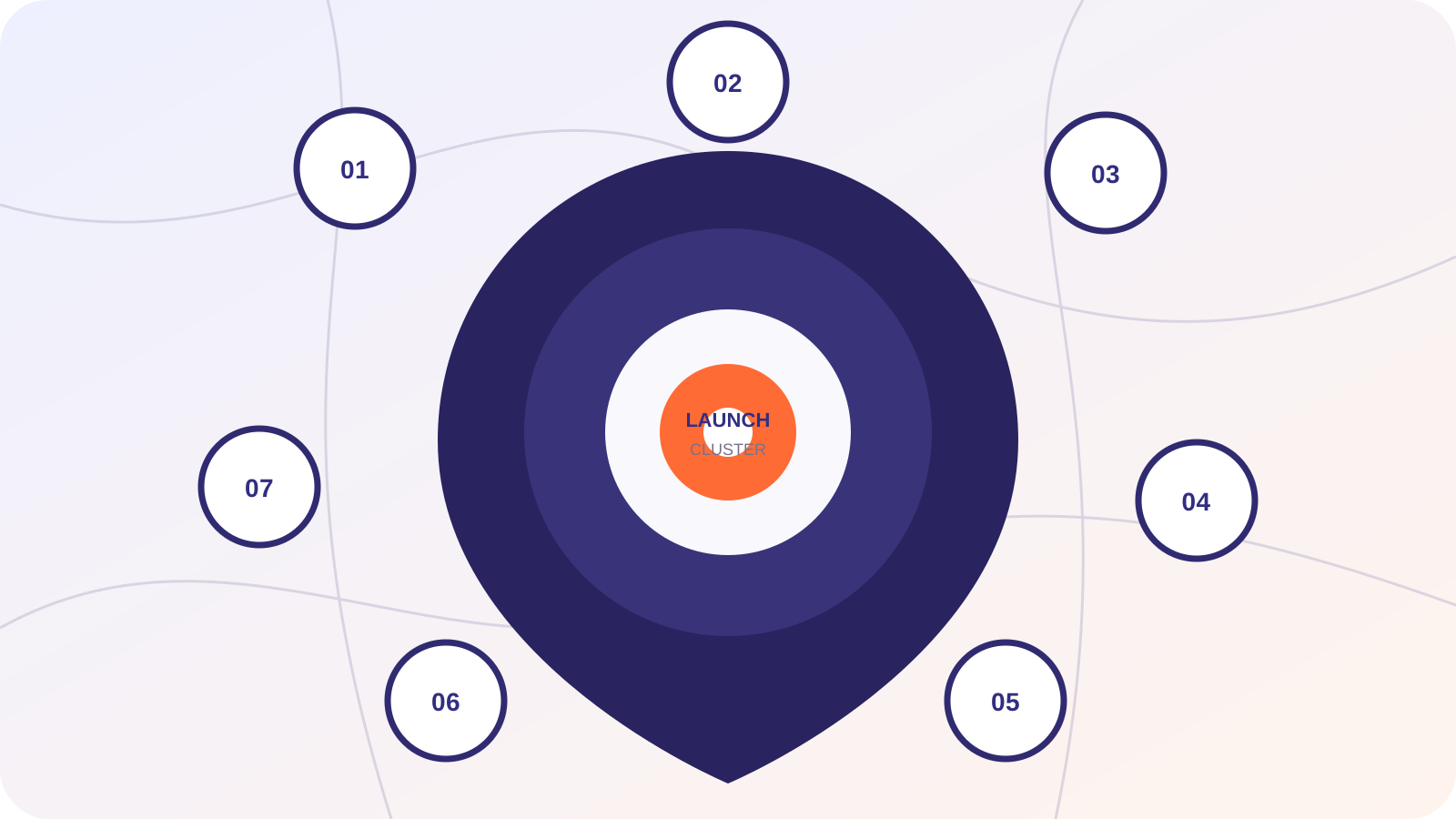
One campaign can create three different income lines
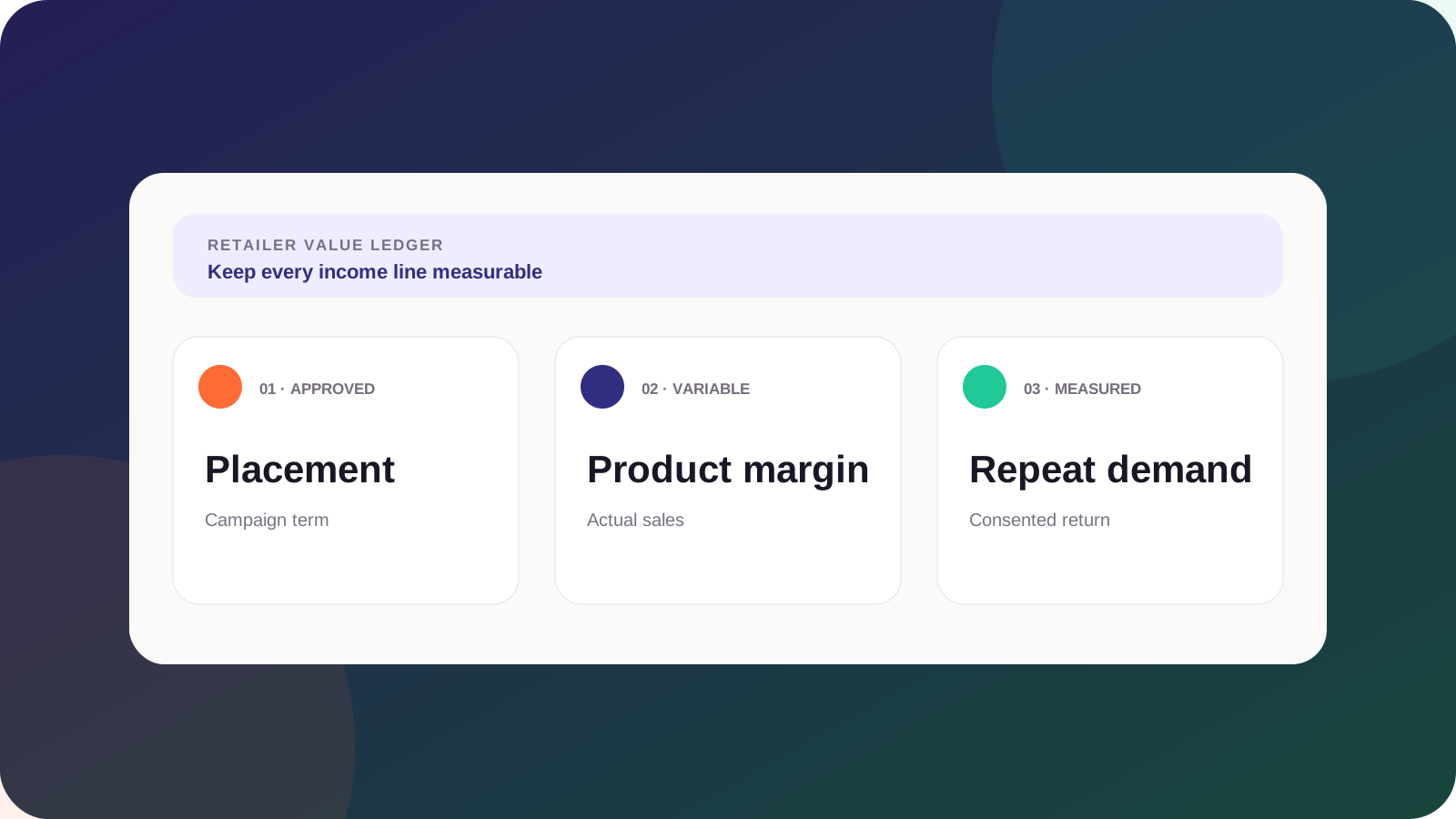
The first is an approved placement or execution fee. The second is the retailer's commercial margin on product sold. The third is repeat demand generated after the campaign, where permitted outreach and useful customer service bring shoppers back.
Let the retailer quote real capacity
The retailer should decide whether the category fits, what space is genuinely available, which quantity is manageable and what evidence can be supplied. This protects the shop from over-allocation and makes the brand's approval meaningful.
- Shelf location, dimensions and current availability.
- Accepted quantity and replenishment constraints.
- Proposed placement price and campaign dates.
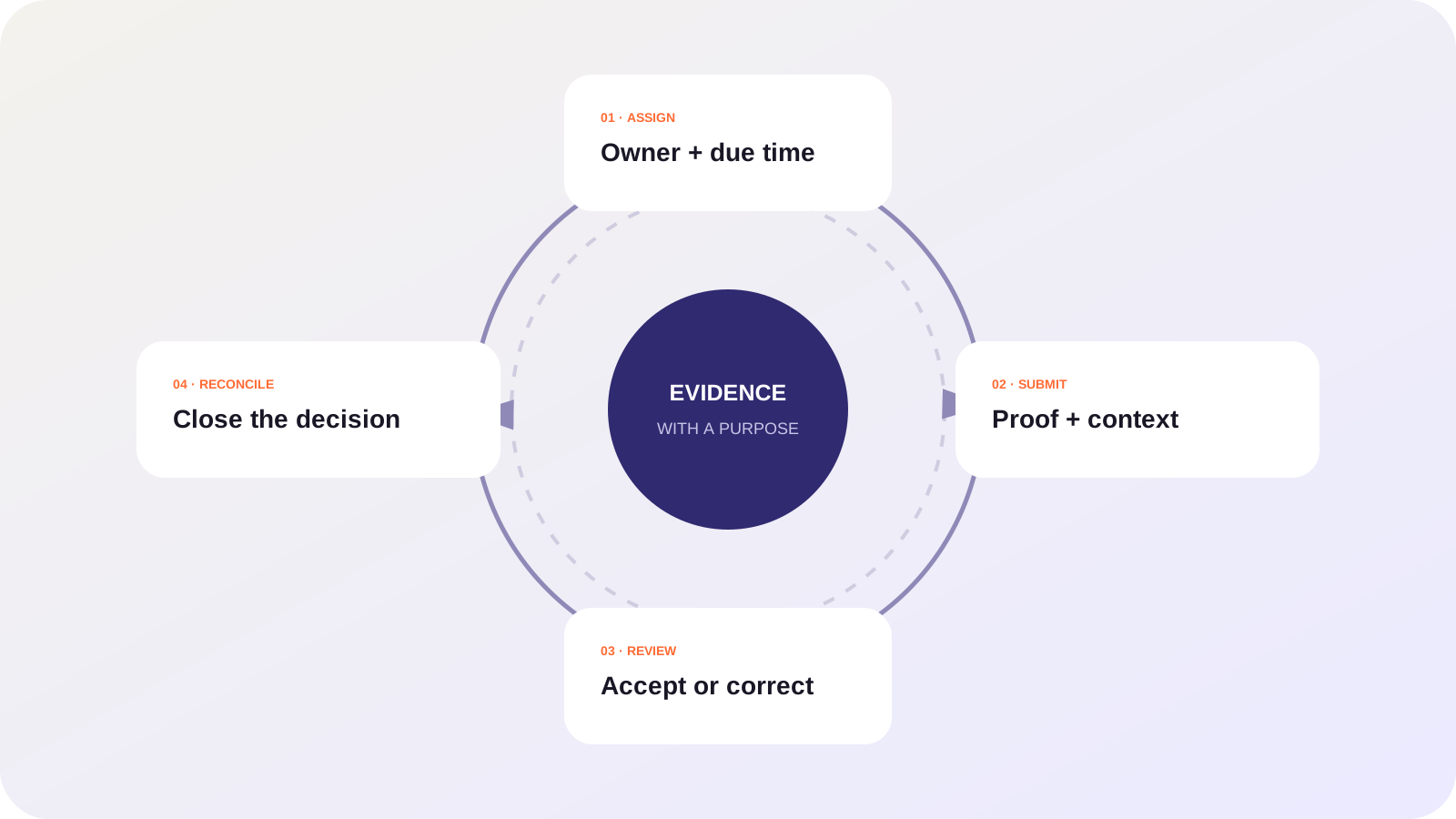
- Required store support and evidence cadence.
- Customer-outreach permission and channel limits.
Use scenarios, not income promises
A landing page can explain how value is created without claiming guaranteed earnings. Every rupee example should be labelled illustrative and followed by the variables that change the outcome: store type, category, campaign duration, approved terms and actual sales.
Repeat demand needs a consented measurement loop
A phone number is not automatically a marketing audience. Retailers need purpose, permission, suppression and campaign limits. The useful product is a measurable follow-up that respects customer choice and attributes outcomes carefully.